Mold Questions, Answered in Plain English
Request an estimate from a local provider
Questions and answers
How do I know if I have a mold problem in my house?
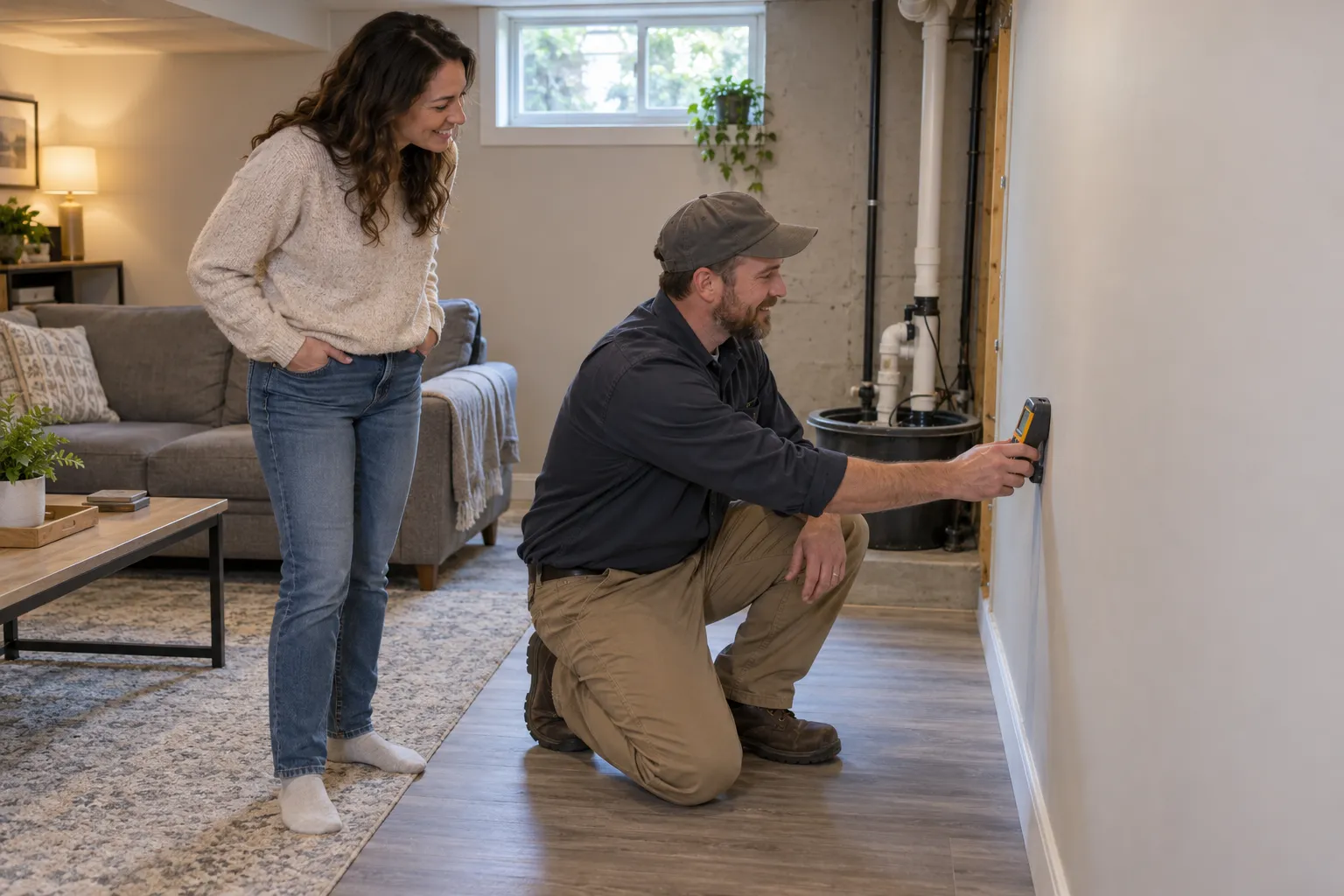
Look for a musty smell, fuzzy or dark spots, and peeling paint. Check damp spots after rain or a leak. Basements and bathrooms are common places. Some mold hides behind walls. If you see signs or smell it, a mold inspection can show what is there. Keepscurrent Mold Help can link you with a local provider who checks.
How long does mold removal take?
It depends on the size of the problem. A small patch may take a day or so. Larger jobs can take several days. Drying the area and fixing the water source add time. A provider looks at your home first and gives a written timeline. Request a callback to check provider availability in your area.
How much does mold remediation cost?
Costs vary by job. In the U.S., small jobs often run a few hundred dollars. Larger jobs can reach several thousand. Size, location, and damage drive the price. Hard-to-reach spots cost more. Always get a quote in writing. It should list what the work covers, so you can compare.
How much does a mold inspection and test cost?
Typical U.S. prices for an inspection run from about $300 to $700. Lab tests can add to that. Home size and the number of samples change the price. Ask what the fee includes before you agree. Get the price in writing. Then you know the cost before anyone visits your home.
Can I clean mold myself?
Small spots, about the size of a dinner plate, on hard surfaces may be fine to clean yourself. Wear gloves, a mask, and eye protection. Do not mix cleaners. Skip DIY if the mold is large, keeps coming back, or sits in walls or vents. Then ask a provider. Fix the water source first.
Is black mold more dangerous than other mold?
Black mold has a scary name, but color alone does not tell you the risk. Any mold can bother people with allergies or asthma. Only a test can tell what type you have. If you see dark mold, limit contact and ask a provider to look. They can explain your options in plain words.
Will my insurance pay for mold removal?
It depends on your policy. Some policies may cover mold from sudden damage, like a burst pipe. Slow leaks and poor upkeep are often not covered. Check your policy or ask your insurer. Providers can often help document damage for a claim.
Should I get a test before I hire someone to remove mold?
Often, yes. Look before you leap. A test shows where mold is and how much there is. It can also help you compare quotes fairly. Some providers do both steps. Others do only one. Ask if the tester and the remover are separate. That helps avoid a conflict of interest.
Tell us what happened
Send a quick request to compare options and get a written quote from a local provider. Prefer to talk? Request a callback to check provider availability.
No obligation